
Introduction
Learning English on your own can feel challenging, but with the right resources, it becomes an enjoyable and rewarding experience. Textbooks remain one of the most effective tools for structured learning, especially when combined with digital resources and consistent practice.
In this guide, we review the 10 best English textbooks for self-study in 2025, covering grammar, writing, vocabulary, and communication. Whether you’re preparing for exams, improving professional skills, or just starting your English journey, these books will help you succeed.
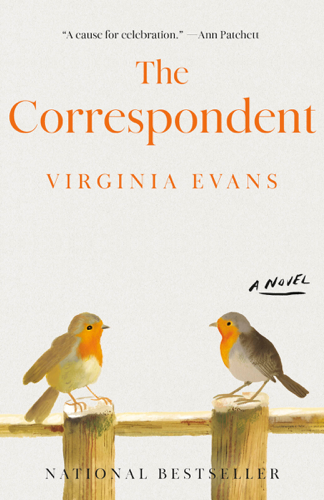
1. The Correspondent by Virginia Evans
Best for: Advanced writing and correspondence
Level: B2–C1 (Upper-Intermediate to Advanced)
The Correspondent focuses on academic and professional writing. It includes model letters, reports, essays, and exam-oriented tasks. This book is ideal for learners preparing for IELTS, TOEFL, or Cambridge English exams.
👉 Full review: The Correspondent by Virginia Evans: Review, Summary, and Benefits.
2. Grammarway Series by Virginia Evans
Best for: Step-by-step grammar learning
Level: A1–B2 (Beginner to Upper-Intermediate)
The Grammarway series offers clear explanations, examples, and extensive practice exercises. With four levels, it provides a complete path from beginner to upper-intermediate grammar mastery.
👉 Related guide: Grammarway by Virginia Evans: Review & Learning Benefits.
3. Successful Writing by Virginia Evans
Best for: Academic and exam writing
Level: B1–C1
This textbook is a go-to resource for students who want to improve their essay, report, and article writing skills. It includes sample answers and strategies for different writing formats.
👉 Also see: How to Improve English Writing Skills with the Right Textbook.
4. English Grammar in Use by Raymond Murphy
Best for: Self-study grammar reference
Level: A2–B2
Perhaps the most famous grammar book worldwide, English Grammar in Use provides simple explanations and practice exercises. It’s particularly good for independent learners thanks to its clear layout and answer key.
5. Vocabulary in Use Series by Michael McCarthy & Felicity O’Dell
Best for: Building vocabulary systematically
Level: A1–C1
The Vocabulary in Use series expands learners’ vocabulary with thematic units, example sentences, and exercises. Each book focuses on useful words for everyday life, academic contexts, and exams.
6. Practice Makes Perfect: English Grammar for ESL Learners by Ed Swick
Best for: Practical grammar drills
Level: A2–B2
This book emphasizes practice, offering hundreds of exercises designed for non-native learners. It’s suitable for self-study and works well alongside other textbooks.
7. Oxford Word Skills by Ruth Gairns & Stuart Redman
Best for: Everyday vocabulary
Level: A1–C1
This three-level series helps learners acquire vocabulary through real-life situations, pictures, and activities. It’s great for building practical communication skills.
8. Cutting Edge Series by Sarah Cunningham & Peter Moor
Best for: Integrated language skills
Level: A1–C1
Cutting Edge combines grammar, vocabulary, listening, speaking, and writing in one package. It’s often used in classrooms but is also suitable for motivated self-study learners.
9. English File by Clive Oxenden & Christina Latham-Koenig
Best for: Balanced self-study course
Level: A1–C1
The English File series is popular for its engaging content, audio resources, and practical exercises. It’s ideal for learners who want to improve all four skills while studying alone.
10. Academic Writing for Graduate Students by John M. Swales & Christine B. Feak
Best for: Academic writing and research
Level: C1–C2
This advanced textbook is designed for university students and researchers. It focuses on academic style, research writing, and publishing in English.
Tips for Choosing the Right Textbook
- Assess your level → Don’t choose a book that’s too advanced.
- Set goals → Are you learning for exams, work, or daily communication?
- Combine with practice → Use your textbook alongside apps, podcasts, and writing exercises.
- Stay consistent → Daily practice is better than occasional long sessions.
Conclusion
The best textbook for you depends on your level and learning goals. Beginners will benefit from Grammarway or English Grammar in Use, while advanced learners can take advantage of The Correspondent for professional writing and exam preparation.
By combining these resources with regular practice, you can make steady progress in your English journey.
👉 Explore related guides:
