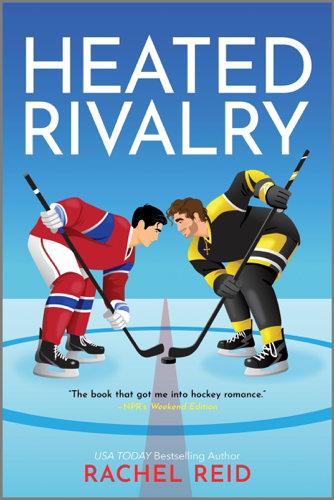
Heated Rivalry by Rachel Reid: A Definitive Review of the Iconic MM Hockey Romance

Heated Rivalry by Rachel Reid: The Definitive MM Hockey Romance Review

Heated Rivalry by Rachel Reid is one of the most iconic MM sports romance novels ever written. Part of the Game Changers series, this book has gained massive popularity for its intense rivals-to-lovers dynamic, slow-burn romance, and emotionally complex characters.

For many readers, Heated Rivalry is not just a favorite book—it’s the gold standard of MM hockey romance.


What Is Heated Rivalry by Rachel Reid About?

Heated Rivalry follows two elite professional hockey players whose rivalry on the ice hides a long-running secret relationship off it. Spanning several years, the story explores desire, fear, love, and the cost of hiding who you truly are in a high-profile sports career.


Heated Rivalry Summary (Spoiler-Free)

Shane Hollander: The Disciplined Rival

Shane Hollander is a Canadian hockey player known for his discipline, structure, and emotional restraint. He values control—both in his career and personal life—and struggles with vulnerability.

Ilya Rozanov: The Provocative Superstar

Ilya Rozanov is a Russian hockey superstar who thrives on confidence, charm, and provocation. Beneath his playful arrogance lies emotional intelligence and deep loyalty.

What begins as a purely physical connection between two rivals slowly evolves into something deeper, forcing both men to confront their fears and priorities.


Why Heated Rivalry by Rachel Reid Is So Popular

Rivals-to-Lovers Done Right

The rivalry between Shane and Ilya feels authentic, fueled by competition, pride, and undeniable attraction.

Slow-Burn Romance Across Multiple Years

The relationship develops gradually over time, making the emotional payoff incredibly satisfying.

Authentic Hockey Romance Setting

Rachel Reid captures the pressure, culture, and reality of professional hockey with impressive realism.


Heated Rivalry in the Game Changers Series

Although Heated Rivalry is Book 2 in the Game Changers series, it can be read as a standalone.

Do You Need to Read Game Changer First?

No. Many readers start with Heated Rivalry and still fully enjoy the story.

Complete Game Changers Reading Order

  1. Game Changer
  2. Heated Rivalry
  3. Tough Guy
  4. Common Goal
  5. Role Model

Who Should Read Heated Rivalry?

Fans of MM Romance

This book is ideal for readers who enjoy emotionally rich MM romance with strong character development.

Readers Who Love Sports Romance

If you like hockey romance or sports-based love stories, this novel is a standout choice.

⚠️ Content Note: Intended for mature readers (18+) due to explicit content.


Heated Rivalry Reviews and Reader Reactions

Goodreads and BookTok Reception

Heated Rivalry consistently holds ratings above 4.5 stars and is frequently recommended across Goodreads, Reddit, and BookTok.

Many readers consider it one of the best MM romance novels ever written.


Is Heated Rivalry Worth Reading?

Absolutely.

Heated Rivalry by Rachel Reid delivers unforgettable chemistry, emotional depth, and a romance that feels earned. If you are looking for a slow-burn MM hockey romance that stays with you long after finishing, this book is essential reading.


Where to Buy Heated Rivalry

You can find Heated Rivalry by Rachel Reid in Kindle, paperback, and audiobook formats through major book retailers.
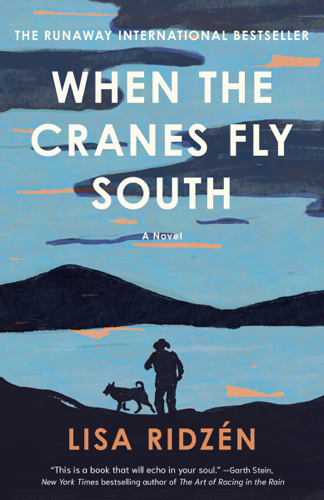
This Swedish Novel Will Break Your Heart in the Softest Way — When the Cranes Fly South by Lisa Ridzén

A Story That Doesn’t Shout — It Whispers

Some stories don’t need to be loud to move you.
They come quietly, like the sound of wings in the distance.
Lisa Ridzén’s When the Cranes Fly South, translated by Alice Menzies, is one of those rare novels that speak straight to the soul — soft, slow, and impossibly human.

It’s a story about getting old. About refusing to surrender.
About love that doesn’t fade, even when memory and strength begin to slip away.


Meet Bo — The Man Who Refuses to Give Up His Freedom

Bo lives alone in a small cabin in northern Sweden. He’s old now — his back hurts, his balance falters, and winter comes sooner than it used to. But what he still has is freedom, and he’s not about to let anyone take it from him.

His only constant companion is Sixten, his loyal dog. Together, they face each day like it might be their last — chopping wood, feeding the fire, watching the cranes fly above the frozen fields.

Bo’s son, Hans, lives far away and wants his father to move into a nursing home. It’s the logical choice. The safe choice.
But Bo has lived too long to let others decide what’s best for him. For him, leaving home means losing the last piece of himself.

That’s the quiet conflict at the heart of this story — not between good and evil, but between love and control, freedom and fear.


A Novel About Aging, But Also About Living

Lisa Ridzén captures something few novels about old age manage to express — the fierce vitality that remains even when the body weakens.

Bo doesn’t see himself as a victim of time. He’s not ready to “retire from being alive.”
He still wants to choose, to walk, to breathe, to matter.

Every small act — carrying logs, petting Sixten, lighting a fire — becomes an act of resistance, a way of saying I’m still here.

And Ridzén’s prose, beautifully translated by Alice Menzies, gives those small acts a sacred kind of weight. Her writing is sparse but luminous, like sunlight on snow.


Sixten, the Dog Who Holds It All Together

If you’ve ever had a pet who understood you better than any human could, you’ll love Sixten.
He’s not just a dog — he’s Bo’s shadow, his anchor, his last link to unconditional love.

Sixten doesn’t speak, of course, but his presence says everything. When people fail to understand Bo, Sixten does. When the world grows too quiet, Sixten fills it with life.
Their relationship is one of the most touching depictions of human-animal companionship in modern fiction.

It’s no wonder so many readers call this “the most beautiful book about aging and love since A Man Called Ove.”


The Cranes — A Symbol of Time and Return

The cranes that migrate south each autumn give the novel its name — and its soul.

For Bo, they are more than birds. They are a reminder that leaving isn’t always loss. The cranes go, but they also come back.
Their flight becomes a symbol of the seasons of life — of departure, change, and eventual return.

When the cranes fly south, Bo knows that winter is coming. But he also knows that spring will follow.
It’s this quiet faith — that endings aren’t final — that gives the book its heartbreaking beauty.


A Father, A Son, and the Space Between Them

One of the most painful and real aspects of this story is the relationship between Bo and his son Hans.

Hans loves his father, but his love comes wrapped in worry and control.
Bo loves his son, but his love comes with pride and distance.
Neither is wrong — and that’s what makes it so real.

Their conversations, sometimes awkward and strained, will hit close to home for anyone who has watched their parents grow old or tried to care for someone who insists they’re fine.

It’s a story about learning when to hold on — and when to let go.


The Beauty of Stillness

Ridzén’s writing is unhurried. She lets silence do the talking.
Her Sweden is not just a place — it’s a feeling: quiet, vast, and deeply introspective.

You can almost hear the snow fall.
You can almost feel the loneliness, but also the peace that comes with it.

Alice Menzies’ translation keeps that rhythm intact — it’s clean, poetic, and full of empathy.
Nothing is lost in translation; if anything, it feels expanded, like a breath of cold air that clears the mind.


What Stays After You Close the Book

When you finish When the Cranes Fly South, you don’t feel crushed.
You feel calm. A little sad, maybe. But also strangely grateful — for time, for love, for the simple act of being alive.

It’s a novel that asks:

“What does it mean to grow old with dignity, when everyone around you thinks they know what’s best for you?”

And it answers not with philosophy, but with life — through the stubborn, gentle courage of one man and his dog.


Final Thoughts

When the Cranes Fly South isn’t a page-turner. It’s a page-sitter — the kind of book you want to hold, to read slowly, to breathe in.

It’s for readers who love Fredrik Backman, Kent Haruf, or Rachel Joyce — stories that make you cry softly, not from tragedy, but from truth.

Ridzén has written a quiet masterpiece. And like the cranes that return each spring, it will come back to you — again and again — long after you think you’ve moved on.


Rating: 9/10 — Beautiful, Slow, and Deeply Human

Get it here:
📖 When the Cranes Fly South by Lisa Ridzén – Penguin Random House

How to Use The Correspondent by Virginia Evans for Self-Study Effectively

Introduction

Self-study has become the preferred method for many English learners in 2025. With online tools, video lessons, and digital communities, studying independently is easier than ever. However, success in self-study depends heavily on choosing the right textbook.

One of the most powerful resources for independent learners is The Correspondent by Virginia Evans. Known for its structured approach to writing and communication, this textbook is widely used by exam candidates, students, and professionals worldwide. In this guide, we’ll explore how to use The Correspondent effectively for self-study, step by step.


Why Choose The Correspondent for Self-Study?

  • Designed for independent learners → Includes explanations, examples, and practice exercises.
  • Covers real-life writing tasks → Letters, reports, essays, and exam tasks.
  • Clear progression → From basic correspondence to advanced formal writing.
  • Exam-focused → Supports IELTS, TOEFL, and Cambridge English preparation.

👉 Related: The Correspondent by Virginia Evans: Review, Summary, and Benefits.


Step 1: Set Learning Goals

Before opening the book, define your purpose:

  • Academic → Essay and report writing.
  • Professional → Business correspondence and formal emails.
  • Exams → IELTS Task 2, Cambridge essays, TOEFL writing tasks.

Clear goals will help you focus on the most relevant units in The Correspondent.


Step 2: Follow the Unit Structure

Each unit in The Correspondent typically includes:

  1. Model text → A sample letter, report, or essay.
  2. Analysis → Structure, useful phrases, and transitions.
  3. Exercises → Practice with guided activities.
  4. Writing tasks → Independent writing assignments.

👉 Tip: Don’t skip the analysis stage. Pay attention to how the introduction, body, and conclusion are organized.


Step 3: Create a Self-Study Routine

Consistency matters more than intensity. Try:

  • 30–45 minutes daily with one section of a unit.
  • Weekly writing task → Complete one essay or letter per week.
  • Monthly review → Revisit old assignments and compare progress.

Step 4: Use Supplementary Resources

While The Correspondent is excellent, you’ll learn faster when combining it with:

  • Grammarway by Virginia Evans → Strengthen grammar accuracy.
  • English Vocabulary in Use → Expand vocabulary for essays.
  • IELTS / TOEFL practice books → Apply writing skills to real exam tasks.

👉 See also: Top 10 English Textbooks for Self-Study in 2025.


Step 5: Practice with Real Exam Conditions

  • Set a timer (40 minutes for IELTS Task 2, 30 minutes for TOEFL essays).
  • Write without checking references or dictionaries.
  • Compare your answer with model texts in the book.
  • Revise based on mistakes and feedback.

Step 6: Keep a Writing Portfolio

Collect all your essays, letters, and reports. Over time, you’ll see improvement in:

  • Grammar accuracy
  • Vocabulary range
  • Paragraph organization
  • Coherence and cohesion

This portfolio will also serve as motivation during your study journey.


Common Challenges in Self-Study & How to Overcome Them

  1. Lack of feedback → Use online forums, writing groups, or AI writing tools for corrections.
  2. Procrastination → Set deadlines for each unit.
  3. Repetition boredom → Alternate between essay, letter, and report writing.
  4. Limited vocabulary → Keep a personal word bank with new expressions.

Advanced Strategies for Using The Correspondent

  • Shadow writing → Rewrite model texts in your own words.
  • Phrase mining → Collect useful connectors (e.g., on the other hand, it is widely believed that).
  • Peer practice → Exchange essays with another learner.
  • Integration with speaking → Read your essays aloud to practice fluency.

Conclusion

The Correspondent by Virginia Evans is more than just a writing textbook—it’s a complete guide for learners who want to master written English independently. By setting goals, following unit structures, creating a consistent routine, and combining the book with supplementary resources, you can make significant progress in self-study.

If you are preparing for IELTS, TOEFL, or Cambridge English, or simply want to improve professional communication, this book can be your self-study companion on the journey to English mastery.

👉 Explore more:

Best Books for English Exam Preparation (IELTS, TOEFL, Cambridge)

Introduction

English proficiency exams like IELTS, TOEFL, and Cambridge English (FCE, CAE, CPE) are gateways to academic success, professional opportunities, and international mobility. Preparing for these exams requires more than casual study—it demands structured resources that provide practice, strategies, and real exam tasks.

This guide highlights the best books for English exam preparation in 2025, from grammar and vocabulary references to full exam practice series. Whether you’re aiming for a high IELTS band score, TOEFL iBT success, or Cambridge certification, these books will help you reach your goals.


Why Use Books for Exam Prep?

  • Authentic practice → Real exam-style questions.
  • Structured learning → Clear progression through skills.
  • Answer keys & explanations → Self-study friendly.
  • Test-taking strategies → Tips for time management and scoring.

Best Books for IELTS Preparation

1. The Official Cambridge Guide to IELTS

Level: Intermediate to Advanced
This is the most authoritative guide, produced by Cambridge itself. It includes:

  • Academic & General Training practice tests
  • Listening, reading, writing, and speaking strategies
  • Audio and video practice materials

2. Barron’s IELTS Superpack

A complete set of books that covers all IELTS skills with practice exams and vocabulary. Highly recommended for self-study learners.

3. IELTS Practice Tests Plus (by Pearson)

Provides authentic test papers with answer keys, ideal for learners who need exam-style drilling.


Best Books for TOEFL Preparation

4. The Official Guide to the TOEFL iBT Test (ETS)

Written by the test makers, this guide includes real past exam questions and model answers.

5. Barron’s TOEFL iBT

Includes detailed strategies, skill-building activities, and practice tests. Great for independent learners.

6. Kaplan’s TOEFL iBT Prep

Focuses on strategy, test-taking tips, and practice exercises. Suitable for learners who want extra guidance alongside practice tests.


Best Books for Cambridge English Exams

7. Cambridge English First (FCE) / Advanced (CAE) / Proficiency (CPE) Practice Tests

Each exam has its own official series with practice papers that mirror the real exam.

8. Objective First / Advanced / Proficiency (Cambridge)

These are complete coursebooks designed to prepare learners systematically for their Cambridge English exams.


Supplementary Books for Exam Writing & Vocabulary

9. The Correspondent by Virginia Evans

Best for: Formal writing in exams
This book is particularly useful for IELTS Writing Task 2 and Cambridge essay writing, thanks to its structured guidance on reports, essays, and letters.

👉 Related: The Correspondent by Virginia Evans: Review, Summary, and Benefits.

10. Successful Writing by Virginia Evans

Covers a wide range of writing styles—argumentative, descriptive, narrative—ideal for exam preparation.

11. English Vocabulary in Use (Cambridge)

Expands vocabulary systematically, which is critical for reading and writing tasks in all exams.

12. Grammarway Series by Virginia Evans

Ensures solid grammar knowledge, helping candidates avoid mistakes in writing and speaking.

👉 Related: Grammarway by Virginia Evans: Review & Learning Benefits.


Study Plan: How to Use These Books Effectively

  1. Start with a diagnostic test → Identify weak areas.
  2. Build core skills → Grammar (Grammarway), vocabulary (Vocabulary in Use).
  3. Focus on writing practiceThe Correspondent and Successful Writing.
  4. Drill with exam papers → Official guides and practice tests.
  5. Simulate real conditions → Timed practice with listening and reading.
  6. Review mistakes carefully → Learn from model answers.

Extra Tips for Exam Success

  • Practice speaking with a partner or tutor.
  • Listen to English podcasts, lectures, and news daily.
  • Write essays regularly and compare with model answers.
  • Track progress with score benchmarks.

Conclusion

The right books can make the difference between a passing score and a top score. For IELTS, TOEFL, and Cambridge exams, the official guides and practice papers are essential, while textbooks like The Correspondent and Successful Writing by Virginia Evans provide targeted writing improvement.

By combining these resources with consistent practice, learners can maximize their chances of exam success in 2025.

👉 Explore related guides:

How to Improve English Writing Skills with the Right Textbook

Introduction

English writing is one of the most essential skills for students, professionals, and exam candidates. Yet, it’s also one of the hardest to master without the right guidance. A well-structured textbook can transform your writing journey, providing models, exercises, and strategies that help you express ideas clearly and effectively.

In this article, we’ll explore how to improve your English writing skills using the right textbooks, with a special focus on The Correspondent by Virginia Evans and other top resources for learners at different levels.


Why Writing Skills Matter in English

  • Academic success → Essays, research papers, and reports rely on clear writing.
  • Professional growth → Emails, proposals, and presentations require polished English.
  • Exams and certifications → IELTS, TOEFL, and Cambridge exams test writing extensively.
  • Personal expression → Journals, blogs, and creative writing improve confidence and fluency.

Step 1: Choose the Right Writing Textbook

Not every English textbook is designed for writing. Many focus on grammar or vocabulary, while writing requires structured practice. Here are some recommended options:

1. The Correspondent by Virginia Evans

Best for: Formal, academic, and exam writing
This book offers model letters, essays, and reports, complete with step-by-step guidance. It’s especially useful for learners preparing for exams like IELTS and Cambridge English.

👉 Related: The Correspondent by Virginia Evans: Review, Summary, and Benefits.

2. Successful Writing by Virginia Evans

Best for: Essay and composition writing
The series covers narrative, descriptive, argumentative, and discursive essays, making it a versatile choice for students and professionals.

👉 Related: Is The Correspondent by Virginia Evans Good for Beginners?.

3. Academic Writing for Graduate Students by Swales & Feak

Best for: Advanced academic and research writing
This textbook is widely used at universities to help graduate students write research papers, journal articles, and dissertations.


Step 2: Build a Strong Foundation in Grammar & Vocabulary

Good writing requires more than ideas; it requires accuracy and variety in language. Supplement your writing textbook with:

  • Grammarway by Virginia Evans for clear grammar explanations.
  • English Grammar in Use by Raymond Murphy for quick self-study.
  • Vocabulary in Use by McCarthy & O’Dell to expand word knowledge.

👉 See full list: Top 10 English Textbooks for Self-Study in 2025.


Step 3: Practice with Real-World Tasks

A textbook is most effective when you actively engage with it. Some strategies include:

  • Rewrite model texts → Copy essays or letters, then adapt them.
  • Peer review → Exchange writing with friends or study partners.
  • Timed writing → Practice under exam-like conditions.
  • Daily journaling → Use English daily, even informally.

Step 4: Analyze Model Answers

Books like The Correspondent provide model answers for essays and letters. Don’t just read them—analyze structure, vocabulary, and transitions. Ask:

  • How is the introduction structured?
  • What connectors are used?
  • How is the conclusion written?

Step 5: Combine Textbooks with Online Tools

While textbooks provide structure, online tools enhance flexibility:

  • Grammarly / LanguageTool for checking grammar.
  • Quillbot / Hemingway for style improvement.
  • IELTS Writing Task samples for exam-focused learners.

Step 6: Track Your Progress

Keep a writing portfolio with essays, reports, and letters. Revisit them monthly to see improvements in:

  • Sentence complexity
  • Vocabulary range
  • Organization and coherence
  • Accuracy

Common Mistakes to Avoid

  1. Relying only on grammar drills → Writing is more than grammar.
  2. Skipping feedback → Always revise and improve.
  3. Using limited vocabulary → Diversify with synonyms and collocations.
  4. Neglecting structure → Paragraph organization is key.

Conclusion

Improving your English writing requires consistency, feedback, and the right resources. Textbooks like The Correspondent and Successful Writing by Virginia Evans provide a structured path toward better writing skills, while grammar and vocabulary guides ensure accuracy and fluency.

If you combine these textbooks with real-world practice and modern tools, you can make significant progress in a matter of months.

👉 Explore more guides:

Top 10 English Textbooks for Self-Study in 2025

Introduction

Learning English on your own can feel challenging, but with the right resources, it becomes an enjoyable and rewarding experience. Textbooks remain one of the most effective tools for structured learning, especially when combined with digital resources and consistent practice.

In this guide, we review the 10 best English textbooks for self-study in 2025, covering grammar, writing, vocabulary, and communication. Whether you’re preparing for exams, improving professional skills, or just starting your English journey, these books will help you succeed.


1. The Correspondent by Virginia Evans

Best for: Advanced writing and correspondence
Level: B2–C1 (Upper-Intermediate to Advanced)

The Correspondent focuses on academic and professional writing. It includes model letters, reports, essays, and exam-oriented tasks. This book is ideal for learners preparing for IELTS, TOEFL, or Cambridge English exams.

👉 Full review: The Correspondent by Virginia Evans: Review, Summary, and Benefits.


2. Grammarway Series by Virginia Evans

Best for: Step-by-step grammar learning
Level: A1–B2 (Beginner to Upper-Intermediate)

The Grammarway series offers clear explanations, examples, and extensive practice exercises. With four levels, it provides a complete path from beginner to upper-intermediate grammar mastery.

👉 Related guide: Grammarway by Virginia Evans: Review & Learning Benefits.


3. Successful Writing by Virginia Evans

Best for: Academic and exam writing
Level: B1–C1

This textbook is a go-to resource for students who want to improve their essay, report, and article writing skills. It includes sample answers and strategies for different writing formats.

👉 Also see: How to Improve English Writing Skills with the Right Textbook.


4. English Grammar in Use by Raymond Murphy

Best for: Self-study grammar reference
Level: A2–B2

Perhaps the most famous grammar book worldwide, English Grammar in Use provides simple explanations and practice exercises. It’s particularly good for independent learners thanks to its clear layout and answer key.


5. Vocabulary in Use Series by Michael McCarthy & Felicity O’Dell

Best for: Building vocabulary systematically
Level: A1–C1

The Vocabulary in Use series expands learners’ vocabulary with thematic units, example sentences, and exercises. Each book focuses on useful words for everyday life, academic contexts, and exams.


6. Practice Makes Perfect: English Grammar for ESL Learners by Ed Swick

Best for: Practical grammar drills
Level: A2–B2

This book emphasizes practice, offering hundreds of exercises designed for non-native learners. It’s suitable for self-study and works well alongside other textbooks.


7. Oxford Word Skills by Ruth Gairns & Stuart Redman

Best for: Everyday vocabulary
Level: A1–C1

This three-level series helps learners acquire vocabulary through real-life situations, pictures, and activities. It’s great for building practical communication skills.


8. Cutting Edge Series by Sarah Cunningham & Peter Moor

Best for: Integrated language skills
Level: A1–C1

Cutting Edge combines grammar, vocabulary, listening, speaking, and writing in one package. It’s often used in classrooms but is also suitable for motivated self-study learners.


9. English File by Clive Oxenden & Christina Latham-Koenig

Best for: Balanced self-study course
Level: A1–C1

The English File series is popular for its engaging content, audio resources, and practical exercises. It’s ideal for learners who want to improve all four skills while studying alone.


10. Academic Writing for Graduate Students by John M. Swales & Christine B. Feak

Best for: Academic writing and research
Level: C1–C2

This advanced textbook is designed for university students and researchers. It focuses on academic style, research writing, and publishing in English.


Tips for Choosing the Right Textbook

  • Assess your level → Don’t choose a book that’s too advanced.
  • Set goals → Are you learning for exams, work, or daily communication?
  • Combine with practice → Use your textbook alongside apps, podcasts, and writing exercises.
  • Stay consistent → Daily practice is better than occasional long sessions.

Conclusion

The best textbook for you depends on your level and learning goals. Beginners will benefit from Grammarway or English Grammar in Use, while advanced learners can take advantage of The Correspondent for professional writing and exam preparation.

By combining these resources with regular practice, you can make steady progress in your English journey.

👉 Explore related guides:

Grammarway by Virginia Evans: Review & Learning Benefits

Introduction

When learning English, grammar is the foundation that supports reading, writing, speaking, and listening skills. Without a strong grasp of grammar, learners often struggle to communicate effectively. One of the most popular resources for mastering English grammar is the Grammarway series by Virginia Evans.

Widely used in schools and self-study programs around the world, Grammarway is designed to help learners understand grammar rules in a simple, structured way. In this article, we’ll review the series, explain how it works, and highlight the key benefits for English learners.


About Grammarway

The Grammarway series is a set of four grammar books written by Virginia Evans. Each book is tailored for a different proficiency level, ensuring a smooth progression from beginner to upper-intermediate.

  • Grammarway 1 (Beginner – A1)
    Introduces the basics of English grammar: present simple, articles, plural forms, and basic sentence structures.
  • Grammarway 2 (Elementary – A2)
    Expands into past tenses, prepositions, comparatives, and more complex sentence patterns.
  • Grammarway 3 (Intermediate – B1)
    Covers conditionals, passive voice, reported speech, and relative clauses.
  • Grammarway 4 (Upper-Intermediate – B2)
    Focuses on advanced grammar points needed for exams and fluent communication.

Structure of the Series

Each unit in Grammarway follows a clear and consistent structure:

  1. Explanation – Simple, concise grammar rules with examples.
  2. Examples in Context – Sentences and dialogues to illustrate real usage.
  3. Practice Exercises – Ranging from fill-in-the-blank to sentence transformation.
  4. Review Tests – Summaries and quizzes to track progress.

This logical flow helps learners gradually build confidence and retain what they learn.


Who Should Use Grammarway?

The series is perfect for:

  • Beginners who want a structured introduction to English grammar.
  • Intermediate learners who need reinforcement and practice.
  • Exam candidates preparing for tests like Cambridge English, IELTS, or TOEFL.
  • Teachers looking for reliable classroom material.

👉 If you’re already at an advanced level, you might consider: The Correspondent by Virginia Evans: Review, Summary, and Benefits.


Benefits of Grammarway

  1. Progressive Learning Path
    Each book builds naturally on the previous one, making it easy to track improvement.
  2. Clear Explanations
    Rules are presented in a simple, learner-friendly way.
  3. Plenty of Practice
    Hundreds of exercises ensure mastery through repetition.
  4. Exam Support
    The series is aligned with international exam standards, making it useful for preparation.
  5. Flexible Use
    Suitable for self-study, homework, or classroom instruction.

Comparison: Grammarway vs. Other Virginia Evans Books

  • Grammarway → Focused purely on grammar practice.
  • Successful Writing → Writing-focused, building on grammar knowledge.
  • The Correspondent → Combines grammar, writing, and correspondence for advanced learners.

👉 For a complete overview, see: Best English Textbooks by Virginia Evans (Complete Guide).


How to Use Grammarway Effectively

  • Start with the right level → Don’t jump ahead; begin at your current proficiency.
  • Do exercises daily → Short, consistent practice works best.
  • Check answers → Self-correction is part of the learning process.
  • Review units → Go back to earlier chapters to reinforce memory.

Pros and Cons

Pros:

  • Easy-to-understand explanations.
  • Wide range of exercises.
  • Suitable for self-study.
  • Supports exam preparation.

Cons:

  • May feel repetitive for advanced learners.
  • Focuses on grammar only (limited speaking/listening).

Conclusion

The Grammarway series by Virginia Evans is a trusted resource for building a solid foundation in English grammar. Its structured approach, clear explanations, and extensive practice make it one of the best grammar textbooks available.

If you are serious about learning English, Grammarway is a must-have—whether you are a beginner just starting or an intermediate learner preparing for exams.

👉 Explore related guides:

Best English Textbooks by Virginia Evans (Complete Guide)

Introduction

When it comes to English Language Teaching (ELT), few authors are as prolific and influential as Virginia Evans. Her textbooks have been used worldwide by millions of students, teachers, and independent learners. From grammar foundations to advanced writing, her books cover nearly every aspect of English learning.

In this guide, we will explore the best English textbooks by Virginia Evans, their features, and how they can help learners at different levels. Whether you are a beginner looking for your first English grammar book or an advanced student preparing for academic writing, this complete guide will help you choose the right textbook.


Why Choose Virginia Evans Books?

  • Clear Structure → Each book is designed with step-by-step progression.
  • International Recognition → Used in schools and exam preparation courses worldwide.
  • Practical Approach → Focus on communication, grammar, and writing in real contexts.
  • Levels for Everyone → From beginner-friendly resources to advanced academic writing guides.

👉 Related read: The Correspondent by Virginia Evans: Review, Summary, and Benefits.


1. The Correspondent

Level: Upper-Intermediate to Advanced (B2–C1)
Focus: Writing, correspondence, academic English.

This book is excellent for learners who want to improve their writing and communication in both academic and professional contexts. It includes model letters, reports, and essays with grammar and vocabulary support.

👉 Learn more here: Is The Correspondent by Virginia Evans Good for Beginners?.


2. Grammarway Series

Level: Beginner to Upper-Intermediate (A1–B2)
Focus: Grammar practice with exercises and examples.

The Grammarway series is one of the most widely used grammar resources. Each book provides simple explanations, guided practice, and exam-style questions. Perfect for learners who want a strong grammar foundation.

👉 Related article: Grammarway by Virginia Evans: Review & Learning Benefits.


3. Successful Writing

Level: Intermediate to Advanced (B1–C1)
Focus: Academic and exam writing.

This book trains learners in writing essays, reports, letters, and articles. With model answers and writing strategies, it is highly recommended for exam preparation, including IELTS and Cambridge English.

👉 See also: How to Improve English Writing Skills with the Right Textbook.


4. Enterprise & Upstream Series

Level: Beginner to Advanced (A1–C1)
Focus: Integrated English (reading, listening, speaking, writing).

These series are comprehensive courses often used in schools. They include textbooks, workbooks, audio, and teacher guides. Suitable for learners who want balanced English development.


5. Career Paths Series

Level: Specific Purpose English (ESP)
Focus: English for professionals in different fields.

Virginia Evans co-authored many Career Paths books, covering industries like law, medicine, engineering, and tourism. These books are tailored for learners who need job-specific English skills.


How to Choose the Right Book

  • Beginner learners → Start with Grammarway or the Enterprise series.
  • Intermediate learners → Move to Successful Writing for structured academic writing.
  • Advanced learners → Use The Correspondent for correspondence and exam preparation.
  • Professionals → Explore Career Paths for industry-specific English.

Benefits of Using Virginia Evans Textbooks

  • Systematic learning progression.
  • Rich practice materials for classroom and self-study.
  • Wide acceptance in exam preparation centers.
  • Clear explanations that are easy to follow.

Conclusion

Virginia Evans has built a remarkable collection of textbooks that cater to learners across all levels. Whether you want to master grammar, develop writing skills, or improve professional English, her books provide reliable guidance.

If you are an advanced learner or preparing for exams, The Correspondent is an excellent choice. Beginners, however, may benefit more from Grammarway before progressing to higher-level resources.

👉 Next, explore related articles:

Is The Correspondent by Virginia Evans Good for Beginners?

Introduction

When starting the journey of learning English, many students wonder which textbook is the most suitable for their level. The Correspondent by Virginia Evans is a popular choice for intermediate and advanced learners, but is it really appropriate for beginners?

This article takes a closer look at the book’s structure, difficulty level, and learning outcomes to determine if it is the right starting point for those new to English.


Understanding the Target Audience

Virginia Evans designed The Correspondent mainly for upper-intermediate to advanced learners. The book expects learners to already have a solid foundation in grammar and vocabulary.

  • Beginners may struggle with the complexity of texts and writing tasks.
  • Intermediate learners will benefit the most, especially those transitioning into academic or professional English.
  • Advanced learners can refine their writing and correspondence skills using the book.

👉 If you’re unsure of your level, you might want to test with simpler resources before moving to The Correspondent.


Language Level Required

Most editions of The Correspondent are aligned with B2–C1 levels of the CEFR (Common European Framework of Reference for Languages).

  • B2 (Upper-Intermediate) → You can understand complex texts and write structured essays.
  • C1 (Advanced) → You can express yourself fluently in academic and professional contexts.

For learners below B1, the book may feel overwhelming.


Challenges for Beginners

  1. Complex Grammar Structures
    • Passive voice, advanced conditionals, and relative clauses appear frequently.
  2. Academic Writing Style
    • Requires understanding of formal tone, structure, and referencing.
  3. Vocabulary Range
    • Many units include academic or professional words that are not common in daily use.

Without prior exposure to English basics, beginners may lose motivation.


Alternative Books for Beginners

If you are just starting, you might consider other Virginia Evans books first:

  • Grammarway (Beginner–Intermediate) → Clear grammar explanations with exercises.
  • Enterprise or Upstream Series → Textbooks that balance reading, listening, and speaking at easier levels.

These can serve as stepping stones before tackling The Correspondent.

👉 See also: Grammarway by Virginia Evans: Review & Learning Benefits.


When Beginners Can Use The Correspondent

Although not ideal as a first textbook, beginners can still use parts of the book with guidance:

  • Teacher Support → With explanations and translation, beginners can attempt easier sections.
  • Selective Study → Focusing on simpler correspondence tasks like informal letters.
  • Gradual Progression → Combining it with beginner-friendly grammar books.

Expert Recommendation

  • Not Recommended as a Primary Book for absolute beginners.
  • Highly Recommended once you reach B1 level and above, as it provides excellent practice for writing, reading, and exam preparation.

If you are serious about progressing, you can start with a beginner’s grammar series, then move into The Correspondent as your skills grow.


Conclusion

So, is The Correspondent by Virginia Evans good for beginners? Not as a starting point. It is best suited for learners with at least an intermediate foundation in English. However, with the right support and supplementary resources, motivated beginners can still benefit from selected sections.

👉 For step-by-step guidance, read: How to Use The Correspondent by Virginia Evans for Self-Study Effectively.

The Correspondent by Virginia Evans: Review, Summary, and Benefits

Introduction

When it comes to mastering English, choosing the right textbook makes all the difference. Among the many titles available for learners, The Correspondent by Virginia Evans stands out as a comprehensive resource for developing communication, grammar, and writing skills. Written by the highly respected English language teaching (ELT) author Virginia Evans, this book has been widely adopted in classrooms, self-study programs, and exam preparation courses.

In this review, we will explore the content, structure, advantages, and learning outcomes of The Correspondent. Whether you are a student, a teacher, or an independent learner, this guide will help you understand why this book has become a trusted companion in English language learning.


About the Author – Virginia Evans

Virginia Evans is a well-known author in the field of English Language Teaching (ELT). She has co-authored and written several widely used textbooks such as Grammarway, Successful Writing, and Career Paths. Her works are designed to improve communication skills while ensuring a strong foundation in grammar and vocabulary.

With The Correspondent, Evans focuses on developing practical English usage, enabling learners to not just understand the language but also apply it effectively in everyday communication, academic writing, and professional contexts.

👉 If you’re curious about her other works, you can also check our guide: Best English Textbooks by Virginia Evans.


Structure of The Correspondent

The book is structured to cover all major aspects of English language learning:

1. Reading Comprehension

Each unit contains authentic texts, articles, and correspondence samples. These help learners practice skimming, scanning, and critical reading.

2. Writing Practice

From informal letters to academic reports, learners are guided through step-by-step writing exercises. Writing tasks are supported with useful phrases, model answers, and checklists.

3. Grammar & Vocabulary

Clear grammar explanations are followed by controlled practice and freer tasks. Vocabulary sections expand on collocations, idiomatic expressions, and topic-based word lists.

4. Speaking & Listening

Although primarily a written resource, The Correspondent also encourages oral practice through speaking prompts, debates, and situational dialogues. Many editions are paired with audio material for listening comprehension.


Summary of Key Units

While editions may vary, most versions of The Correspondent follow this kind of progression:

  • Unit 1: Everyday Communication → Writing personal letters, understanding informal style.
  • Unit 2: Academic Correspondence → Reports, essays, and summaries.
  • Unit 3: Professional Writing → Business letters, formal emails, and cover letters.
  • Unit 4: Media & Journalism → Articles, interviews, and opinion pieces.
  • Unit 5: Advanced Grammar in Context → Integrating complex structures in writing.
  • Unit 6: Exam-Oriented Practice → Model tasks for IELTS, TOEFL, and Cambridge exams.

This progression makes it suitable for upper-intermediate to advanced learners who want to refine both formal and informal communication.


Who Can Benefit from The Correspondent?

The book is designed for:

  • Students preparing for exams – especially Cambridge English, IELTS, or TOEFL.
  • University learners – who need academic writing support.
  • Professionals – who want to polish business correspondence and formal writing.
  • Independent learners – who want a self-study guide for structured improvement.

👉 For beginners, we recommend checking this article: Is The Correspondent by Virginia Evans Good for Beginners?.


Benefits of Using The Correspondent

  1. Comprehensive Content – Covers reading, writing, grammar, and vocabulary in balance.
  2. Practical Approach – Focuses on real-life correspondence: letters, emails, reports, and essays.
  3. Exam-Oriented Tasks – Many exercises reflect international exam requirements.
  4. Strong Writing Focus – One of the best books for building advanced writing skills.
  5. Flexibility – Can be used in classrooms or for self-study.

The Correspondent vs. Other Virginia Evans Books

Virginia Evans has authored numerous English textbooks. Here’s how The Correspondent compares:

  • Grammarway → Focused exclusively on grammar rules and practice.
  • Successful Writing → Aimed at structured writing development.
  • The Correspondent → Balanced approach, combining reading, grammar, and writing in context.

👉 See our full comparison here: Grammarway by Virginia Evans: Review & Learning Benefits.


How to Use The Correspondent for Best Results

To maximize the book’s potential:

  • Follow units in order → They are structured progressively.
  • Keep a writing journal → Apply new phrases and grammar points.
  • Do timed tasks → Practice exam-style writing within word limits.
  • Review vocabulary lists → Use flashcards or apps to reinforce learning.

👉 Check out our guide: How to Use The Correspondent by Virginia Evans for Self-Study Effectively.


Pros and Cons

Pros:

  • Clear explanations and model answers.
  • Wide variety of writing genres.
  • Suitable for both academic and professional contexts.
  • Strong reputation as an ELT resource.

Cons:

  • May be challenging for beginners.
  • Some editions lack updated online resources.
  • Requires consistent practice; not a quick-fix book.

Where to Buy The Correspondent by Virginia Evans

You can find this textbook through:

  • Major bookstores (online & offline).
  • ELT publishers and distributors.
  • School or university libraries.

Tip: Always ensure you purchase legitimate editions to support the author and publishers.


Conclusion

The Correspondent by Virginia Evans remains one of the most reliable English textbooks for learners aiming to improve communication, writing, and academic skills. With its balance of theory and practice, it is particularly valuable for upper-intermediate and advanced learners preparing for exams or professional communication.

If you are looking for a book that combines clarity, practicality, and exam readiness, The Correspondent is an excellent choice.

👉 Next, explore related guides: