
Introduction
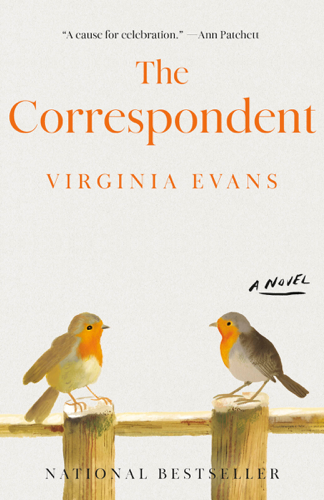
When it comes to mastering English, choosing the right textbook makes all the difference. Among the many titles available for learners, The Correspondent by Virginia Evans stands out as a comprehensive resource for developing communication, grammar, and writing skills. Written by the highly respected English language teaching (ELT) author Virginia Evans, this book has been widely adopted in classrooms, self-study programs, and exam preparation courses.
In this review, we will explore the content, structure, advantages, and learning outcomes of The Correspondent. Whether you are a student, a teacher, or an independent learner, this guide will help you understand why this book has become a trusted companion in English language learning.
About the Author – Virginia Evans
Virginia Evans is a well-known author in the field of English Language Teaching (ELT). She has co-authored and written several widely used textbooks such as Grammarway, Successful Writing, and Career Paths. Her works are designed to improve communication skills while ensuring a strong foundation in grammar and vocabulary.
With The Correspondent, Evans focuses on developing practical English usage, enabling learners to not just understand the language but also apply it effectively in everyday communication, academic writing, and professional contexts.
👉 If you’re curious about her other works, you can also check our guide: Best English Textbooks by Virginia Evans.
Structure of The Correspondent
The book is structured to cover all major aspects of English language learning:
1. Reading Comprehension
Each unit contains authentic texts, articles, and correspondence samples. These help learners practice skimming, scanning, and critical reading.
2. Writing Practice
From informal letters to academic reports, learners are guided through step-by-step writing exercises. Writing tasks are supported with useful phrases, model answers, and checklists.
3. Grammar & Vocabulary
Clear grammar explanations are followed by controlled practice and freer tasks. Vocabulary sections expand on collocations, idiomatic expressions, and topic-based word lists.
4. Speaking & Listening
Although primarily a written resource, The Correspondent also encourages oral practice through speaking prompts, debates, and situational dialogues. Many editions are paired with audio material for listening comprehension.
Summary of Key Units
While editions may vary, most versions of The Correspondent follow this kind of progression:
- Unit 1: Everyday Communication → Writing personal letters, understanding informal style.
- Unit 2: Academic Correspondence → Reports, essays, and summaries.
- Unit 3: Professional Writing → Business letters, formal emails, and cover letters.
- Unit 4: Media & Journalism → Articles, interviews, and opinion pieces.
- Unit 5: Advanced Grammar in Context → Integrating complex structures in writing.
- Unit 6: Exam-Oriented Practice → Model tasks for IELTS, TOEFL, and Cambridge exams.
This progression makes it suitable for upper-intermediate to advanced learners who want to refine both formal and informal communication.
Who Can Benefit from The Correspondent?
The book is designed for:
- Students preparing for exams – especially Cambridge English, IELTS, or TOEFL.
- University learners – who need academic writing support.
- Professionals – who want to polish business correspondence and formal writing.
- Independent learners – who want a self-study guide for structured improvement.
👉 For beginners, we recommend checking this article: Is The Correspondent by Virginia Evans Good for Beginners?.
Benefits of Using The Correspondent
- Comprehensive Content – Covers reading, writing, grammar, and vocabulary in balance.
- Practical Approach – Focuses on real-life correspondence: letters, emails, reports, and essays.
- Exam-Oriented Tasks – Many exercises reflect international exam requirements.
- Strong Writing Focus – One of the best books for building advanced writing skills.
- Flexibility – Can be used in classrooms or for self-study.
The Correspondent vs. Other Virginia Evans Books
Virginia Evans has authored numerous English textbooks. Here’s how The Correspondent compares:
- Grammarway → Focused exclusively on grammar rules and practice.
- Successful Writing → Aimed at structured writing development.
- The Correspondent → Balanced approach, combining reading, grammar, and writing in context.
👉 See our full comparison here: Grammarway by Virginia Evans: Review & Learning Benefits.
How to Use The Correspondent for Best Results
To maximize the book’s potential:
- Follow units in order → They are structured progressively.
- Keep a writing journal → Apply new phrases and grammar points.
- Do timed tasks → Practice exam-style writing within word limits.
- Review vocabulary lists → Use flashcards or apps to reinforce learning.
👉 Check out our guide: How to Use The Correspondent by Virginia Evans for Self-Study Effectively.
Pros and Cons
Pros:
- Clear explanations and model answers.
- Wide variety of writing genres.
- Suitable for both academic and professional contexts.
- Strong reputation as an ELT resource.
Cons:
- May be challenging for beginners.
- Some editions lack updated online resources.
- Requires consistent practice; not a quick-fix book.
Where to Buy The Correspondent by Virginia Evans
You can find this textbook through:
- Major bookstores (online & offline).
- ELT publishers and distributors.
- School or university libraries.
Tip: Always ensure you purchase legitimate editions to support the author and publishers.
Conclusion
The Correspondent by Virginia Evans remains one of the most reliable English textbooks for learners aiming to improve communication, writing, and academic skills. With its balance of theory and practice, it is particularly valuable for upper-intermediate and advanced learners preparing for exams or professional communication.
If you are looking for a book that combines clarity, practicality, and exam readiness, The Correspondent is an excellent choice.
👉 Next, explore related guides:
