
Introduction
English writing is one of the most essential skills for students, professionals, and exam candidates. Yet, it’s also one of the hardest to master without the right guidance. A well-structured textbook can transform your writing journey, providing models, exercises, and strategies that help you express ideas clearly and effectively.
In this article, we’ll explore how to improve your English writing skills using the right textbooks, with a special focus on The Correspondent by Virginia Evans and other top resources for learners at different levels.
Why Writing Skills Matter in English
- Academic success → Essays, research papers, and reports rely on clear writing.
- Professional growth → Emails, proposals, and presentations require polished English.
- Exams and certifications → IELTS, TOEFL, and Cambridge exams test writing extensively.
- Personal expression → Journals, blogs, and creative writing improve confidence and fluency.
Step 1: Choose the Right Writing Textbook
Not every English textbook is designed for writing. Many focus on grammar or vocabulary, while writing requires structured practice. Here are some recommended options:
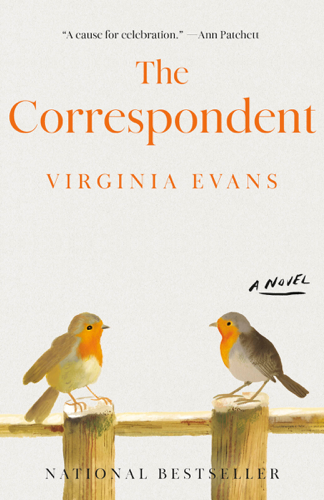
1. The Correspondent by Virginia Evans
Best for: Formal, academic, and exam writing
This book offers model letters, essays, and reports, complete with step-by-step guidance. It’s especially useful for learners preparing for exams like IELTS and Cambridge English.
👉 Related: The Correspondent by Virginia Evans: Review, Summary, and Benefits.
2. Successful Writing by Virginia Evans
Best for: Essay and composition writing
The series covers narrative, descriptive, argumentative, and discursive essays, making it a versatile choice for students and professionals.
👉 Related: Is The Correspondent by Virginia Evans Good for Beginners?.
3. Academic Writing for Graduate Students by Swales & Feak
Best for: Advanced academic and research writing
This textbook is widely used at universities to help graduate students write research papers, journal articles, and dissertations.
Step 2: Build a Strong Foundation in Grammar & Vocabulary
Good writing requires more than ideas; it requires accuracy and variety in language. Supplement your writing textbook with:
- Grammarway by Virginia Evans for clear grammar explanations.
- English Grammar in Use by Raymond Murphy for quick self-study.
- Vocabulary in Use by McCarthy & O’Dell to expand word knowledge.
👉 See full list: Top 10 English Textbooks for Self-Study in 2025.
Step 3: Practice with Real-World Tasks
A textbook is most effective when you actively engage with it. Some strategies include:
- Rewrite model texts → Copy essays or letters, then adapt them.
- Peer review → Exchange writing with friends or study partners.
- Timed writing → Practice under exam-like conditions.
- Daily journaling → Use English daily, even informally.
Step 4: Analyze Model Answers
Books like The Correspondent provide model answers for essays and letters. Don’t just read them—analyze structure, vocabulary, and transitions. Ask:
- How is the introduction structured?
- What connectors are used?
- How is the conclusion written?
Step 5: Combine Textbooks with Online Tools
While textbooks provide structure, online tools enhance flexibility:
- Grammarly / LanguageTool for checking grammar.
- Quillbot / Hemingway for style improvement.
- IELTS Writing Task samples for exam-focused learners.
Step 6: Track Your Progress
Keep a writing portfolio with essays, reports, and letters. Revisit them monthly to see improvements in:
- Sentence complexity
- Vocabulary range
- Organization and coherence
- Accuracy
Common Mistakes to Avoid
- Relying only on grammar drills → Writing is more than grammar.
- Skipping feedback → Always revise and improve.
- Using limited vocabulary → Diversify with synonyms and collocations.
- Neglecting structure → Paragraph organization is key.
Conclusion
Improving your English writing requires consistency, feedback, and the right resources. Textbooks like The Correspondent and Successful Writing by Virginia Evans provide a structured path toward better writing skills, while grammar and vocabulary guides ensure accuracy and fluency.
If you combine these textbooks with real-world practice and modern tools, you can make significant progress in a matter of months.
👉 Explore more guides:
